Introduction
Twin Extruder Torque Stability
Torque stability is one of the most important indicators of twin extruder performance.
In PVC pipe manufacturing, torque fluctuation can lead to:
- Melt pressure instability
- Surface defects
- Wall thickness variation
- Sudden overload alarms
- Reduced machine lifespan
If torque is not stable, your process is not stable.
Let’s identify why this happens.
Major Causes of Twin Extruder Torque Fluctuation
 Inconsistent Material Feeding
The most common cause of torque fluctuation.
If dry blend feeding fluctuates:
- Load on screws varies
- Shear rate changes
- Torque spikes occur
Check for:
- Hopper bridging
- Feeder calibration errors
- Variable bulk density
- Moisture variation
 Temperature Imbalance
Improper barrel temperature control causes melt viscosity variation.
If melt becomes too viscous:
If material is overheated:
Maintain gradual, stable temperature profiling across all barrel zones.
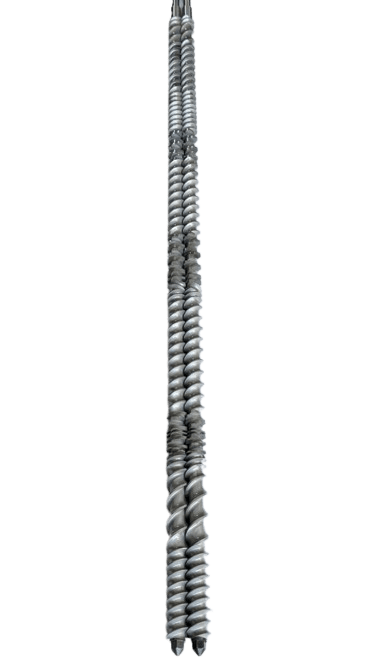
 Screw & Barrel Wear
Worn screw flights reduce compression and plasticizing efficiency.
This can lead to:
- Uneven material conveying
- Pressure fluctuation
- Torque instability
Regular inspection is essential, especially for older twin extruders.
 Foreign Contamination
Metal fragments or hard particles entering the barrel can cause sudden torque spikes.
Typical symptoms:
- Sharp torque jump
- Abnormal gearbox noise
- Sudden amp increase
Immediate shutdown and inspection are recommended.
 Gearbox or Motor Issues
Mechanical faults can mimic process instability.
Inspect:
- Motor current stability
- Gearbox lubrication condition
- Bearing wear
- Coupling alignment
Step-by-Step Troubleshooting Checklist
Torque Instability Diagnostic Workflow
Step 1 – Analyze Torque Trend
Monitor the torque graph trend, not just the instantaneous reading. Look for patterns, spikes, or cyclic fluctuations.
Step 2 – Check Feeder Stability
Verify consistent dry blend feeding rate and confirm feeder calibration accuracy.
Step 3 – Verify Barrel Temperature Consistency
Confirm stable temperature control across all barrel zones. Avoid sudden setpoint deviations.
Step 4 – Inspect Melt Pressure Trend
Analyze melt pressure trends alongside torque data to identify correlation or divergence.
Step 5 – Examine Screw & Barrel Condition
Inspect for wear, reduced compression efficiency, or uneven material conveying.
Step 6 – Check Gearbox & Motor Parameters
Confirm gearbox lubrication status and monitor motor amp stability for mechanical anomalies.
Important: Always isolate one process variable at a time to accurately identify the root cause.
Normal vs Abnormal Torque Behavior
| Condition | Torque Pattern |
|---|
| Stable Production | Smooth fluctuation within 2–3% |
| Feeding Issue | Repetitive spikes |
| Temperature Issue | Gradual rising or dropping trend |
| Mechanical Problem | Sudden sharp spike |
Prevention Strategy for Stable Twin Extruder Torque
- Daily feeder calibration
- Weekly temperature sensor inspection
- Monthly gearbox oil inspection
- Quarterly screw inspection
- Continuous torque trend monitoring
Stable torque = Stable production.
Conclusion
Torque fluctuation in a twin extruder is never random.
It usually results from:
- Feeding inconsistency
- Temperature imbalance
- Mechanical wear
- Contamination
Early diagnosis prevents:
✔ Production loss
✔ Equipment damage
✔ Costly downtime
Need Professional Twin Extruder Troubleshooting?
We offer:
- On-site torque instability diagnosis
- Screw & barrel inspection
- Feeding system optimization
- Complete PVC extrusion process audit