
Twin Extruder Melt Pressure Fluctuation: Causes & Complete Troubleshooting Guide

Twin Extruder Melt Pressure Fluctuation: Causes & Complete Troubleshooting Guide

Introduction

Melt pressure stability is critical in twin extruder operations. When pressure fluctuates, it directly affects:

❌ Pipe diameter variation
❌ Surface defects
❌ Wall thickness inconsistency
❌ Product rejection

Stable pressure ensures smooth and consistent extrusion output.

Major Causes of Melt Pressure Fluctuation

1) Inconsistent Feeding

The most common cause.

If feeding is unstable:

  • Material flow varies
  • Melt formation becomes inconsistent
  • Pressure fluctuates

👉 Related: PVC dry blend feeding problems

2) Temperature Imbalance

Improper temperature affects melt viscosity.

  • Low temperature → High pressure
  • High temperature → Low pressure

👉 Optimize using: barrel temperature guide

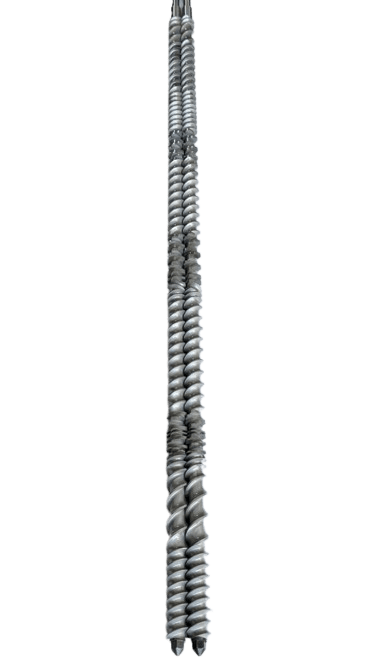
3) Screw Design Issues

Incorrect screw configuration leads to:

  • Poor melting
  • Uneven pressure buildup
  • Flow instability

👉 Learn more: twin extruder screw design

4) Die Blockage or Restriction

Carbon buildup or narrow die openings can restrict flow.

Effects:

  • Sudden pressure rise
  • Output drop
  • Surface defects

5) Screw & Barrel Wear

Worn components reduce compression efficiency.

Result:

  • Pressure fluctuation
  • Lower output
  • Poor melt quality

Step-by-Step Troubleshooting Checklist

Step 1

Check feeding consistency

Step 2

Monitor temperature profile

Step 3

Inspect screw configuration

Step 4

Check die condition

Step 5

Measure melt pressure trend

Step 6

Inspect wear condition

Pressure Behavior Analysis

ConditionPressure Pattern
Stable ProcessSmooth and consistent
Feeding IssueRepetitive fluctuation
Temperature IssueGradual variation
Die BlockageSudden pressure spike

Prevention Strategy

  • Maintain consistent feeding
  • Optimize temperature zones
  • Clean die regularly
  • Monitor pressure trends
  • Inspect screw & barrel

Conclusion

Melt pressure fluctuation in a twin extruder is a clear sign of process imbalance.

By controlling:

  • Feeding
  • Temperature
  • Screw design
  • Die condition

You can achieve:

  • Stable extrusion
  • Better product quality
  • Reduced rejection
  • Higher efficiency

Need Help Stabilizing Your Extrusion Line?

We offer:

  • Twin extruder troubleshooting
  • Process optimization
  • Pressure stability audits
  • Complete extrusion consulting
Scroll to Top